How to Froth Milk at Home
As an Amazon Associate I earn from qualifying purchases.
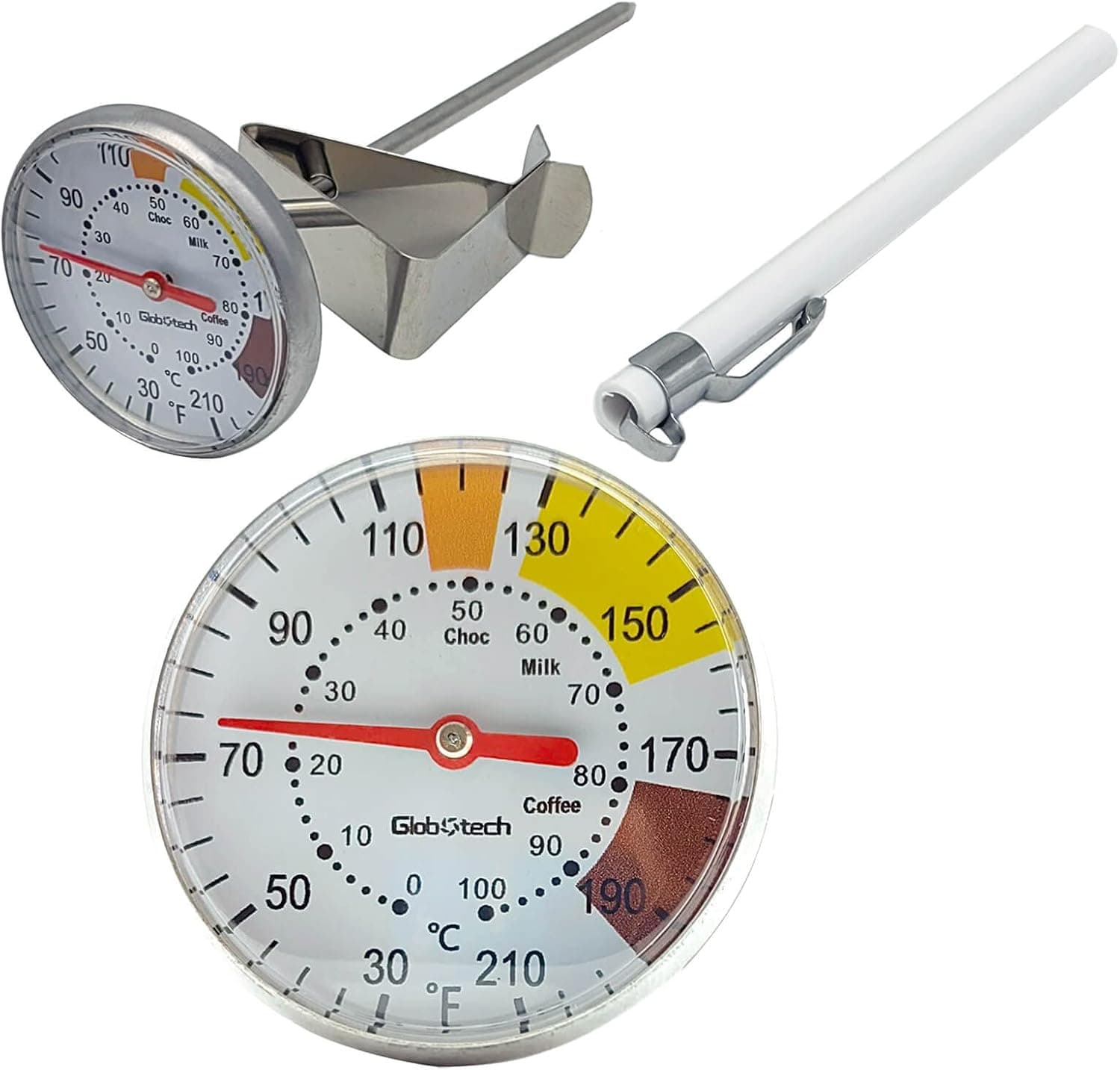
Great milk foam turns a plain espresso into a latte or cappuccino, and the good news is you can make silky foam at home with or without a steam wand. The goal is not a stiff pile of bubbles but microfoam: milk with tiny, uniform bubbles that looks glossy and pours like wet paint. Getting there is mostly about technique and a little practice.
If your machine has a steam wand, technique comes down to two stages. Start with cold milk in a clean pitcher filled a little under halfway. Position the wand tip just below the surface and turn on the steam so you hear a gentle hissing or tearing sound. This is the stretching phase, where you add air. After a few seconds, sink the tip deeper and angle the pitcher so the milk spins in a whirlpool. This is the texturing phase, where those big bubbles break down into fine microfoam.
Temperature is the detail beginners most often get wrong. Milk tastes sweetest when steamed to roughly one hundred thirty to one hundred fifty degrees Fahrenheit, which feels hot but not painful when you hold the pitcher. Overheated milk scalds, loses sweetness, and tastes flat. If you do not have a thermometer, stop steaming when the pitcher becomes uncomfortable to keep your palm on for more than a second or two.
No steam wand? You still have several solid options. A handheld electric frother whips air into warm milk and works well for casual lattes. A French press can froth beautifully: add warm milk, then pump the plunger up and down briskly for twenty to thirty seconds. Even a sealed jar works in a pinch, shaken hard and then microwaved briefly to stabilize the foam. These methods produce more of an airy foam than true microfoam, but they are quick and satisfying.
The milk you choose changes your results. Whole milk is the most forgiving because its fat and protein create stable, creamy foam with a rich mouthfeel. Among plant milks, barista style oat milk is a favorite because it is formulated to steam and foam well, while some standard nut milks can stay thin or bubbly. If a plant milk refuses to foam, look specifically for a barista edition.
Once your milk is textured, give the pitcher a gentle swirl and a light tap on the counter to pop any stray large bubbles and reincorporate the foam. Pour with the pitcher spout close to the surface for latte art, or higher and slower for a foamier cappuccino. Rinse and wipe your wand or frother immediately after every use, since dried milk is stubborn and unhygienic. With a week of daily practice, glossy microfoam becomes second nature.