How to Stop Espresso Channeling
Published How we research
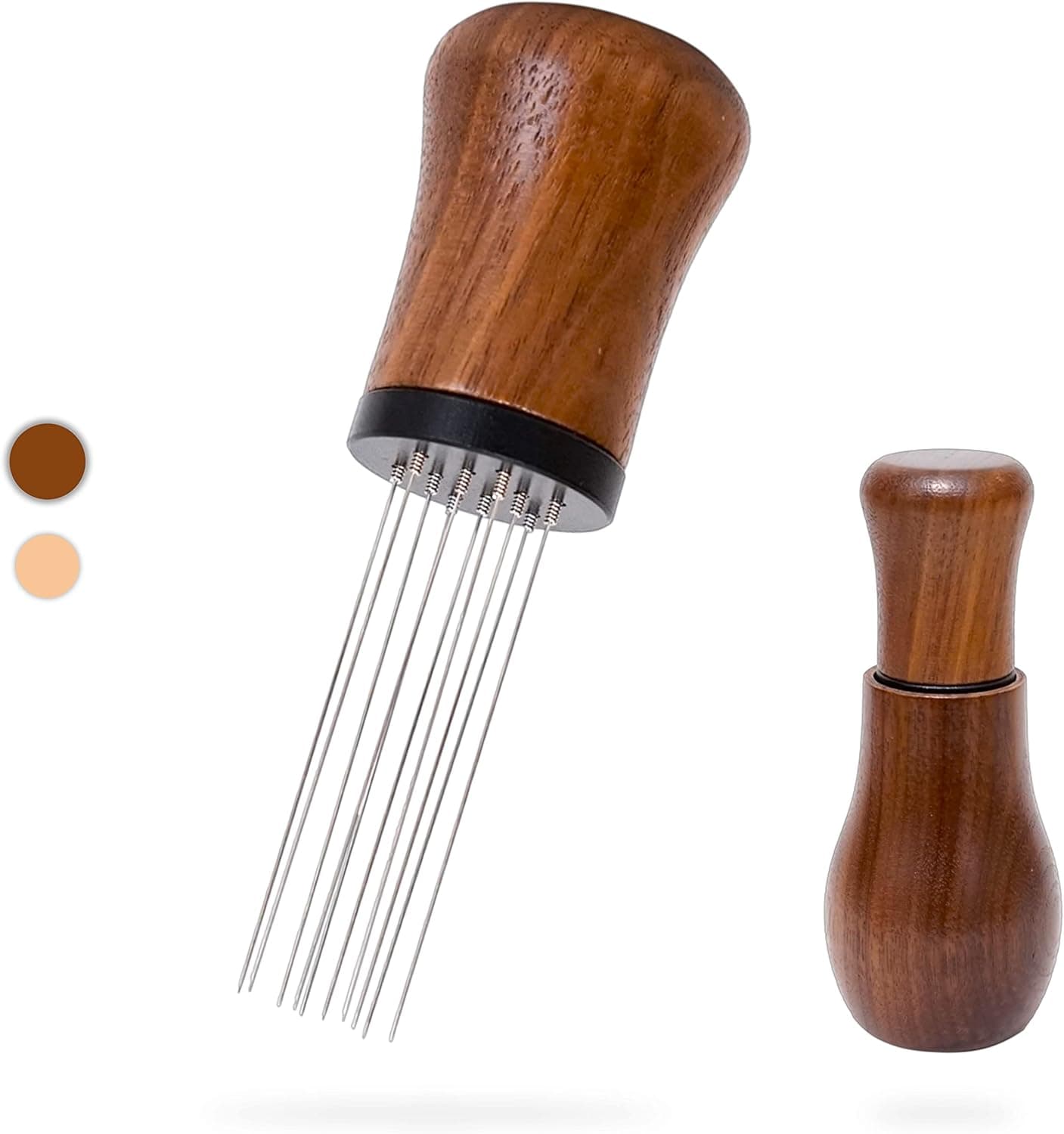
Channeling happens when water finds a path of least resistance through the coffee puck instead of flowing evenly through all of it. Some coffee is over-extracted along the channel while the rest is under-extracted, so the shot can taste sour and bitter at the same time. Most channeling comes from uneven puck preparation, and a few inexpensive tools and habits fix it.
Products from this article
The highest-scoring picks from the buying guides this article links to. Scores are our editorial assessment, not customer ratings.
+ 10 fine needles break clumps quickly without packing the grounds
From our guide: Best WDT Tools
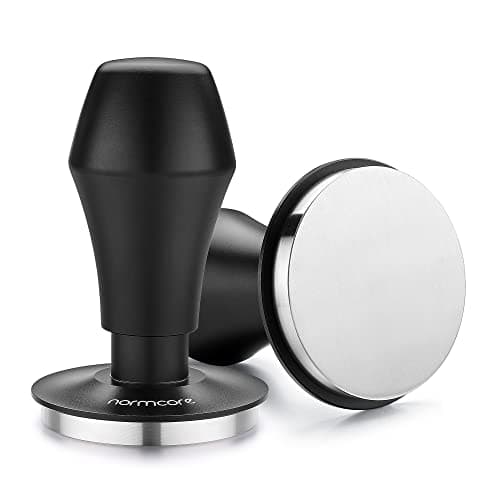
+ Three interchangeable springs (15, 25 and 30 lb) let you choose the tamping pressure
From our guide: Best Espresso Tampers
+ 3-in-1 design switches between naked and spouted use in one handle
From our guide: Best Bottomless Portafilters
+ Spring-mounted prongs flex instead of snapping when they hit the basket
From our guide: Best WDT Tools


How to recognise channeling
With a bottomless portafilter, channeling shows up as thin jets spraying sideways, blonding in patches while other areas stay dark, or the stream starting from one side of the basket. With a spouted portafilter you may notice a shot running much faster than usual for the same dose and grind.
In the cup, channeled shots often taste thin, harsh and sour with a bitter finish. The spent puck can show small holes, cracks or wet, soupy spots, although puck appearance alone is not always a reliable guide.
Distribute before you tamp
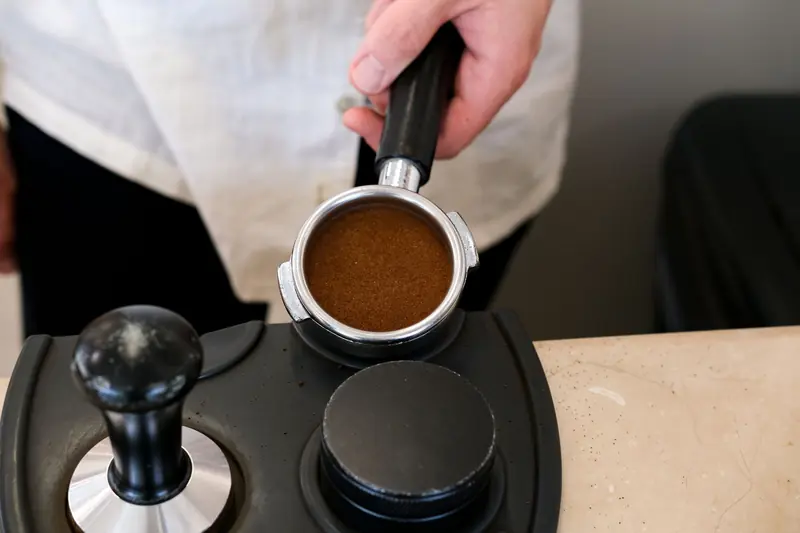
Clumps from the grinder create dense and loose spots in the basket, which is the most common cause of channeling. A WDT tool, a set of very fine needles stirred through the grounds in small circles, breaks up clumps and evens out density before tamping.
Stir all the way to the bottom of the basket and finish with light strokes across the surface. Tapping the portafilter gently on the counter settles the bed, while heavy knocking can shift coffee to one side.
Tamp level and consistently
A tilted tamp leaves one side of the puck thinner, and water rushes through it. Use a tamper that fits your basket closely, keep your wrist straight and elbow above the portafilter, and press until the coffee stops compressing.
Tamping pressure matters less than being level and consistent. Calibrated or self-levelling tampers help if you struggle to tamp evenly, and a tamping mat protects the counter and the portafilter spouts.
Check dose, grind and basket
Too little coffee leaves a gap between the puck and the shower screen, and the puck can shift or swell unevenly. Too much coffee can press into the screen and disturb the surface. Dose close to your basket's rated capacity and weigh it every time with a scale.
Grinding too fine for your machine increases resistance and makes channeling more likely, especially on machines without pre-infusion. A paper filter or puck screen on top or bottom of the puck can improve water distribution for some setups, though results vary.
Look at the machine
A dirty or damaged shower screen can spray water unevenly onto the puck. Backflush with cleaning tablets if your machine supports it, remove and scrub the screen periodically and replace a worn group gasket.
Machines with gentle pre-infusion wet the puck before full pressure, which reduces channeling. If yours lacks it, a slightly coarser grind and more careful distribution usually give more consistent shots.
Popular right now
- Best Blind Shaker CupsBuying guide
- Best Coffee Distribution Tools in 2026: Even Puck Prep for Better ShotsBuying guide
- WDT explainedGlossary
- Best Latte Art Pens in 2026: Etching Tools for Detailed DesignsBuying guide
- Small Space Coffee Bar KitCollection
- Best Coffee Mug OrganizersBuying guide
Based on the last 28 days of search and visitor data.