Pour Over vs French Press
As an Amazon Associate I earn from qualifying purchases.
Pour over and French press are two of the most popular manual brewing methods, and they sit at opposite ends of the coffee spectrum. One produces a clean, bright, tea like cup, and the other a rich, heavy, full bodied one. Neither is better overall, but they suit different tastes and moods. Knowing how each works makes choosing between them, or owning both, an easy call.
The defining difference is the filter. Pour over uses a paper filter that traps the coffee's fine particles and much of its oil, yielding a cup that is clean and clear with pronounced clarity of flavor. French press uses a metal mesh screen that lets those oils and tiny particles pass through, producing a fuller, heavier, and slightly sedimented cup with a weighty mouthfeel. If you love a crisp, bright coffee, pour over shines. If you want a bold, rounded brew, French press delivers.
The brewing process differs just as much. Pour over is an active method: you pour hot water over the grounds in stages, usually starting with a short bloom to let the coffee release gas, then continuing in controlled pours. This hands on control lets you influence the extraction, but it asks for attention and a bit of technique. Many people find the ritual calming, though it is not the method for a rushed morning.
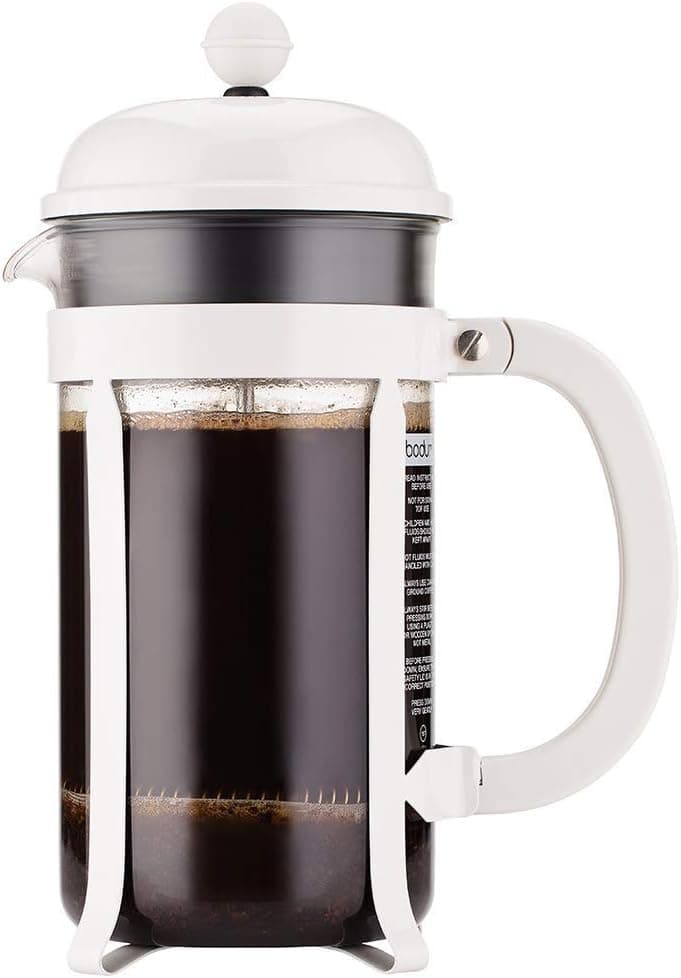
French press is refreshingly simple by comparison. You add coarse grounds and hot water, stir, put the lid on, and wait about four minutes while the coffee steeps fully immersed. Then you press the plunger down slowly and pour. There is little technique to master, which makes it forgiving for beginners and easy to scale up for several cups at once. The main discipline is not letting it steep too long, which turns the cup bitter.
Grind and gear round out the picture. Pour over needs a medium grind, a paper filter, and ideally a gooseneck kettle for a steady, controlled pour, plus a scale for consistency. French press needs a coarse grind and little else, since the device itself is the brewer. Both benefit hugely from freshly ground beans and water just off the boil, so a burr grinder helps either way.
So which is right for you? Reach for pour over if you enjoy the process, want to taste the delicate, distinct notes in a single origin coffee, and usually brew one or two cups. Reach for French press if you value simplicity, prefer a robust and comforting cup, or need to make coffee for a few people at once. Many home brewers keep both, using pour over for a quiet weekend cup and French press for busy mornings or company.