Choosing Your First Espresso Machine
As an Amazon Associate I earn from qualifying purchases.
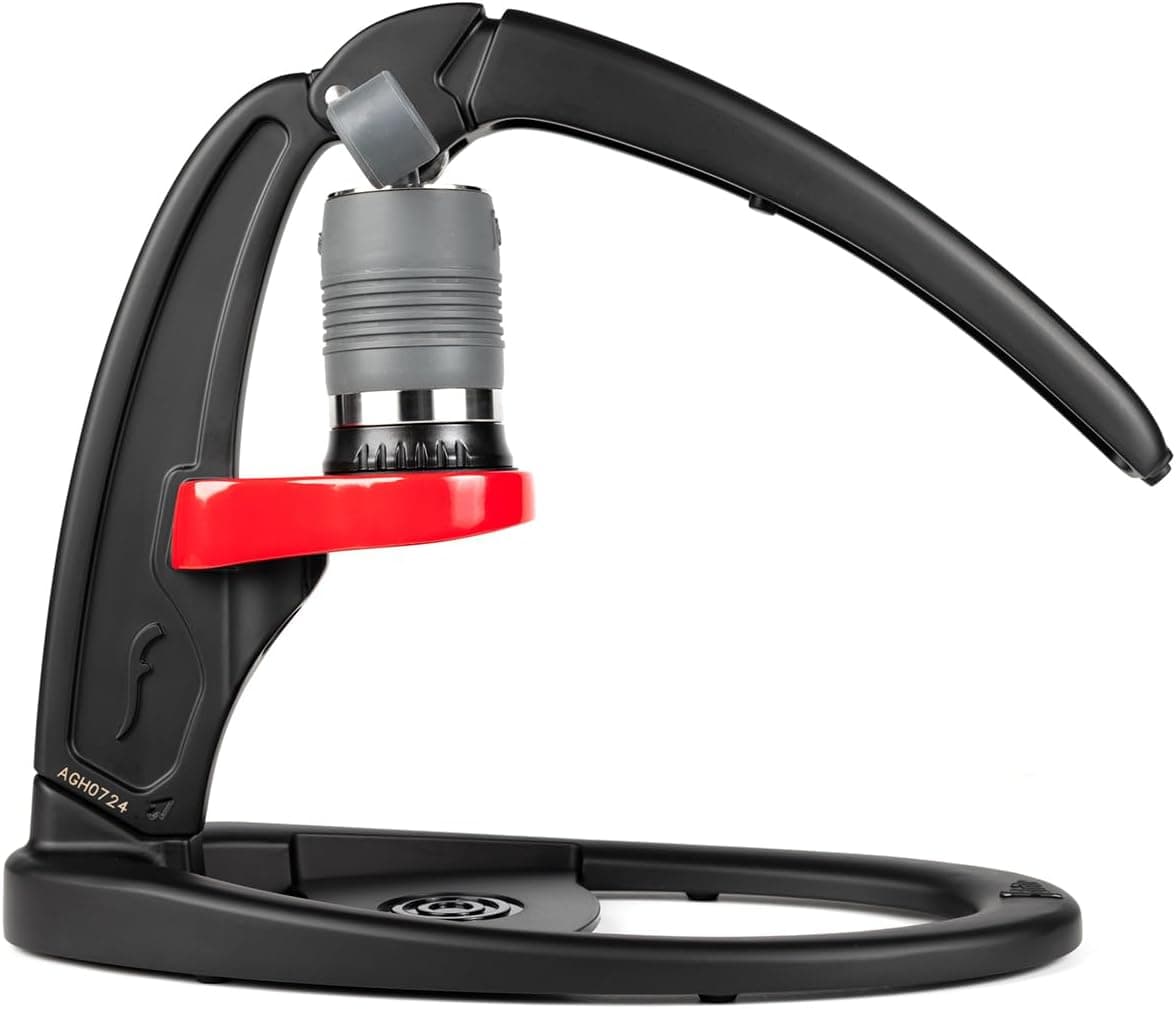
Buying your first espresso machine is exciting and a little overwhelming, because the options range from pocket-sized manual devices to gleaming machines that cost as much as a used car. The good news is that you do not need to spend a fortune to pull genuinely good shots at home. What you do need is a clear sense of the different machine types, the features that actually matter, and an honest look at the full cost of the hobby before you commit.
Espresso machines generally fall into a few categories. Manual lever machines put you in complete control of pressure and are wonderfully tactile, though they carry a real learning curve. Semi-automatic machines are the most popular choice for beginners, since they handle the pressure while leaving you to control the shot timing, which is a comfortable balance of involvement and reliability. Fully automatic and super-automatic machines take over more of the process, grinding and dosing at the push of a button, trading some craft for everyday convenience.
A few features deserve your attention regardless of machine type. Look for a machine that reaches and holds a stable brewing temperature, since consistency in the cup depends on it. A quality portafilter, ideally a sturdy metal one with a comfortable weight, makes daily use more pleasant. If you enjoy milk drinks, pay attention to the steam wand, because a proper wand that you control yourself will let you learn to texture milk for lattes and cappuccinos far better than an automatic frother.
Here is the piece of advice that surprises most first-time buyers: the grinder matters as much as the machine, sometimes more. Espresso demands a fine, precise, consistent grind, and no machine can rescue a shot made with unevenly ground coffee. A dedicated burr grinder built for espresso is not an optional accessory, it is part of the setup. If your budget is fixed, it is often wiser to buy a modest machine paired with a capable grinder than a flashy machine and a cheap grinder.
Be realistic about the total cost and the space you have. Beyond the machine and grinder, you will want a tamper, a knock box for spent grounds, fresh beans, and a small stretch of counter you are willing to dedicate. Factor in ongoing costs too, such as descaling supplies and the occasional replacement part. None of this is meant to discourage you, only to help you budget with clear eyes so the machine feels like a joy rather than a source of buyer's remorse.
Most importantly, match the machine to the person you actually are in the morning. If you crave ritual and want to learn a craft, a semi-automatic paired with a good grinder will reward you for years. If you mostly want a reliable milk drink before you rush out the door, a more automated machine may keep you far happier than a demanding lever ever would. Read reviews from other home baristas, watch a few people pull shots on the model you are considering, and choose the setup that fits your kitchen and your patience. The best first espresso machine is the one you will still love using next year.