Coffee Grind Size Guide
As an Amazon Associate I earn from qualifying purchases.
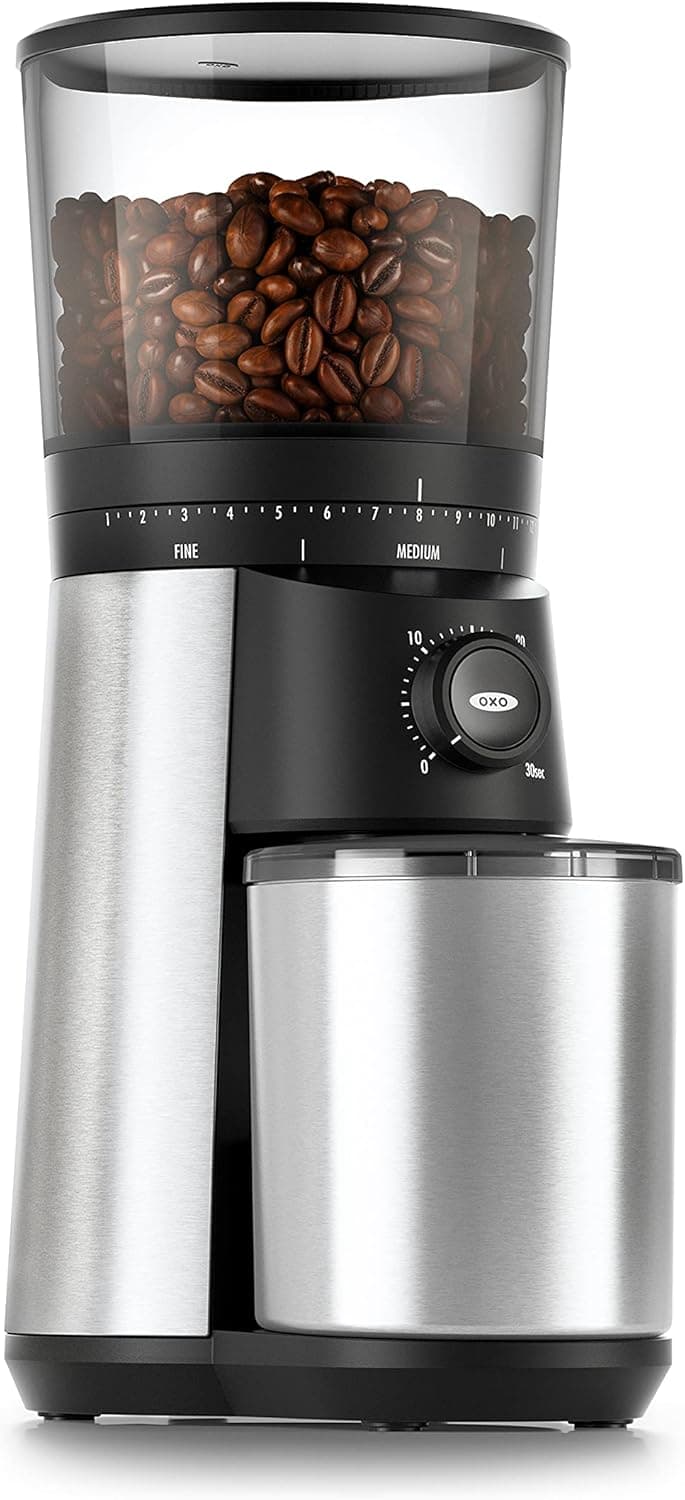
If you only improve one thing about your home coffee, make it your grind. Grind size controls how quickly water pulls flavor from the beans, and getting it wrong is behind most weak, sour, or bitter cups. The concept is straightforward: finer grounds have more surface area and extract faster, while coarser grounds extract more slowly. Every brew method has a sweet spot, and matching your grind to your method is the fastest path to better coffee.
Coarse grinds sit at one end of the spectrum and look like coarse sea salt or peppercorns. This is the territory of the French press and cold brew, where coffee sits in contact with water for a long time. The large particles slow extraction so the coffee does not turn bitter over those long minutes or hours. A coarse grind also keeps sediment out of your cup with a metal mesh filter, giving you a cleaner finish from an immersion brew.
Medium grinds, which resemble regular table salt or coarse sand, are the workhorse of everyday coffee. This is your target for standard drip machines and flat-bottom pour over brewers, where water flows through the bed at a moderate pace. If your automatic drip coffee tastes weak, your grind may be too coarse for the contact time your machine allows. Medium is forgiving, which is exactly why it suits the brewers most people use every morning.
As you move finer, you reach the medium-fine range that suits cone-shaped pour over drippers and many pod-style systems. The tighter the filter cone, the finer you generally go, because the shape speeds up the flow of water and you need more resistance to slow it back down. This is a range worth experimenting with, since small adjustments produce noticeable swings in sweetness and clarity. Grind a little finer if your pour over tastes thin, a little coarser if it tastes harsh.
Fine grinds, with a texture like powdered sugar or fine sand, belong to espresso and stovetop moka pots. Espresso forces hot water through the coffee bed under high pressure in a matter of seconds, so it needs a fine, even grind to build the resistance that creates a proper shot. This is also the least forgiving setting. A grind that is slightly too coarse produces a fast, sour shot, while one slightly too fine chokes the machine and turns bitter, which is why espresso lovers chase precision.
Two practical points will serve you well regardless of method. First, invest in a burr grinder rather than a blade grinder if you can. Burrs produce uniform particles, while blades chop unevenly and give you a mix of dust and boulders that extract at different rates in the same brew. Second, grind right before you brew. Ground coffee goes stale quickly as it loses aromatics to the air, and freshly ground beans reward you with fragrance and flavor that pre-ground simply cannot match. Dial in these habits and your grinder becomes the most valuable tool on your counter.