Espresso Machine Descaling Schedule
As an Amazon Associate I earn from qualifying purchases.
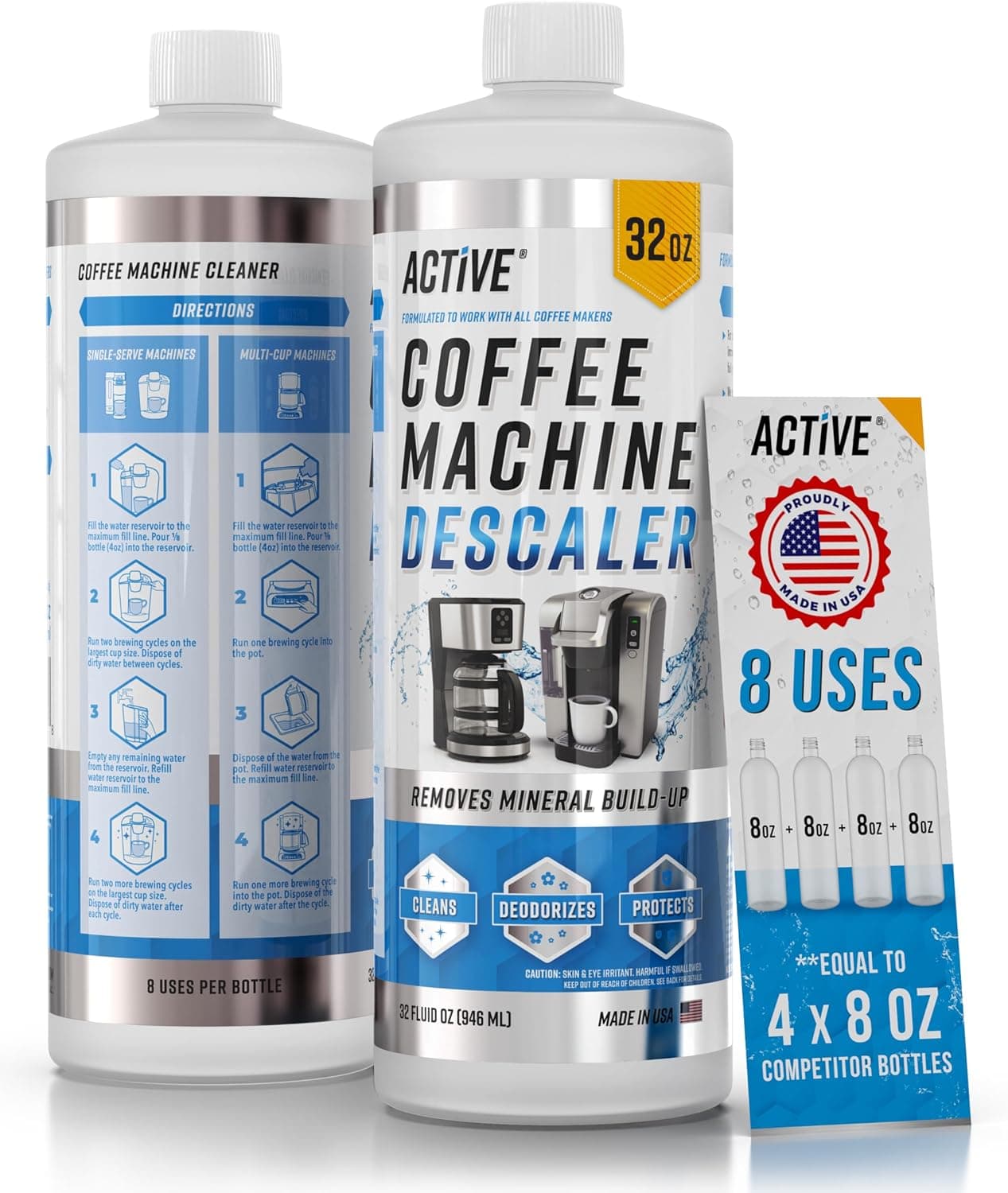
Descaling is the process of removing mineral scale that builds up inside your espresso machine from the water you brew with. It is different from the cleaning that removes coffee oils, because scale forms on the internal heating and plumbing parts you never see. Left unchecked, scale reduces heat transfer, restricts water flow, and can eventually cause expensive failures, so descaling on a sensible schedule is essential maintenance.
Scale forms because water contains dissolved minerals, chiefly calcium and magnesium, that come out of solution and deposit as hard, chalky crust when water is heated. The harder your water, the faster this happens, which is why there is no single descaling interval that fits everyone. Someone with very hard water may need to descale every few weeks, while someone using softened or low-mineral water may go months between treatments.
Because water hardness varies so much, base your schedule on your actual water and usage rather than a generic rule. Test your water hardness with inexpensive strips to learn where you stand, then descale more frequently if it is hard and less if it is soft. Some machines track usage and prompt you when descaling is due, and following that indicator is a reasonable default. As a rough guideline, many home users with moderate water descale every one to three months.
Watch for warning signs that scale is building up faster than your routine handles. Slower flow from the group, longer heat-up times, unusual noises from the pump, or water that no longer reaches full temperature can all point to scale. If you notice these, do not wait for your scheduled date; descale sooner. Catching buildup early is far easier than dealing with a badly clogged machine.
Use the descaling product and procedure your manufacturer recommends, because machines differ and some materials react badly to the wrong chemicals. Commercial descaling solutions are formulated to dissolve scale without harming seals and metals, and your manual will specify how to run the solution through the boiler and group. Whatever you use, rinse thoroughly afterward with several tanks of fresh water so no descaler taste lingers in your next shot.
The best long-term strategy is to reduce how much scale forms in the first place. Using filtered or appropriately mineralized water slows buildup dramatically and lengthens the gaps between descaling sessions. Pairing good water with a realistic, hardness-based schedule protects your machine, keeps your shots tasting clean, and saves you from the far larger hassle of repairing a scaled-up boiler down the line.