How to Make French Press Coffee Without Sludge
Published How we research
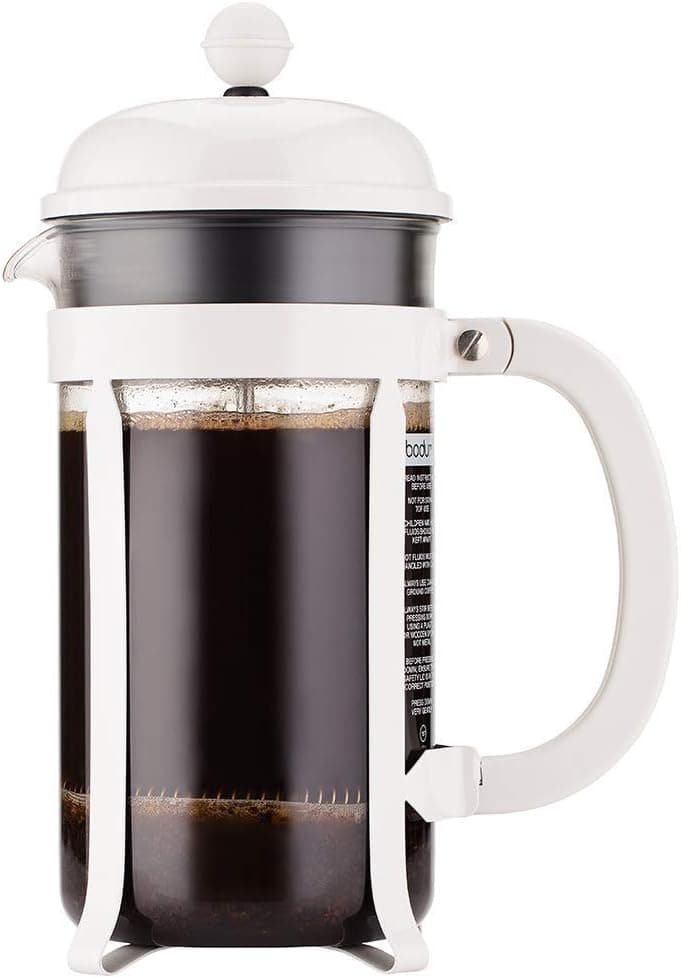
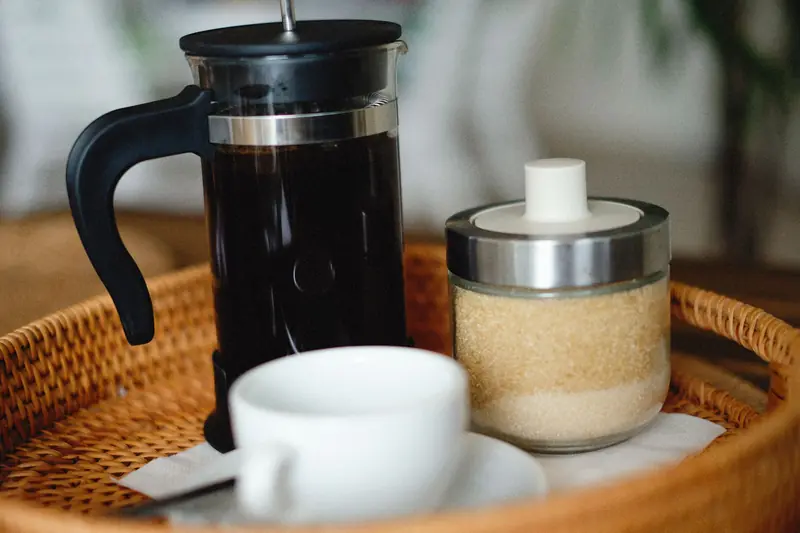
French press coffee is rich and full-bodied because its metal mesh filter lets oils and very fine particles through. That same design is why many cups end with a layer of gritty sludge. You cannot remove every particle without changing the character of the coffee, but grind choice, a longer settling time and a careful pour make a big difference.
Products from this article
The highest-scoring picks from the buying guides this article links to. Scores are our editorial assessment, not customer ratings.
+ Stainless build keeps coffee hotter longer than glass presses
From our guide: Best French Press
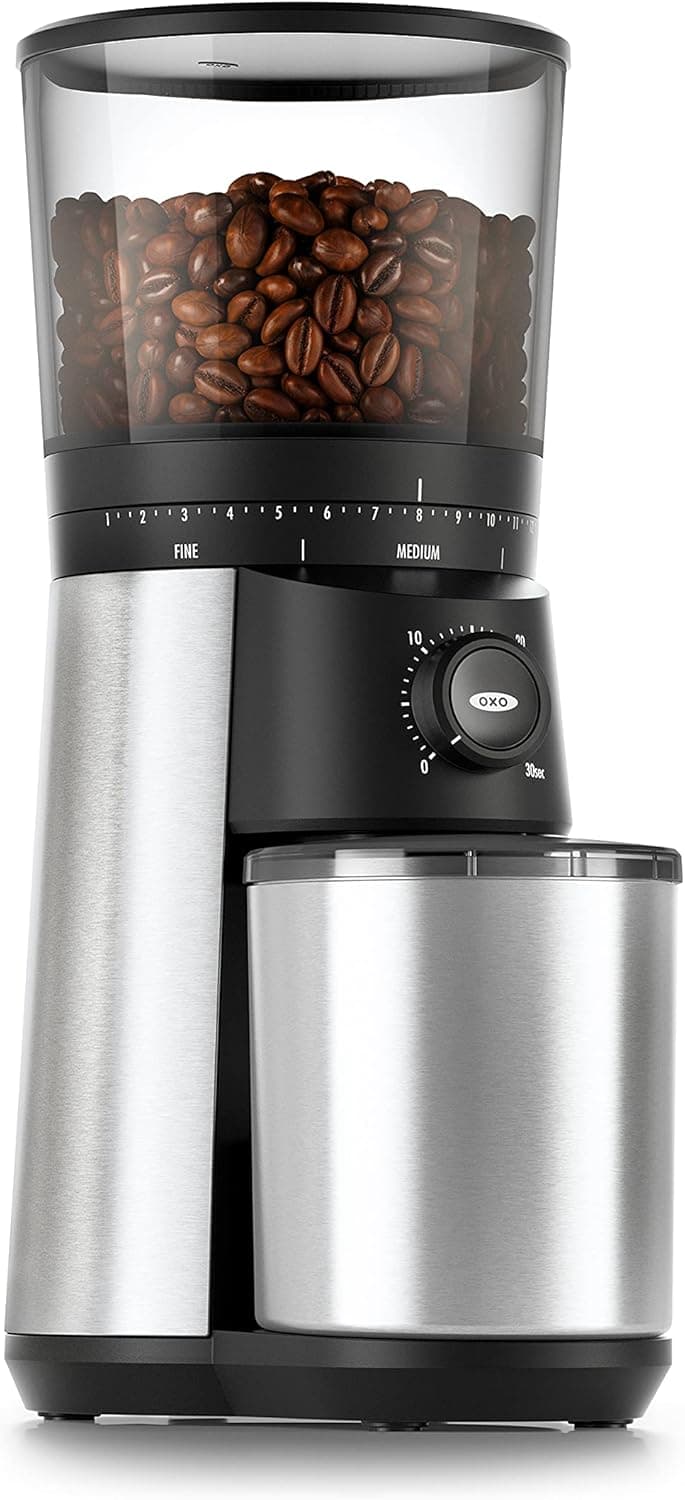
+ 60 settings allow fine espresso tuning as well as filter brewing
From our guide: Best Burr Coffee Grinders
+ 15 grind settings cover coarse French press through fine drip
From our guide: Best Coffee Grinders Under $100
+ Chambord is the iconic French press design from Bodum
From our guide: Best French Press


Why French press coffee is gritty
All grinders produce some fines, tiny particles much smaller than the target size. A French press mesh filter holds back the larger grounds but lets many fines pass through into the coffee, where they settle in the cup and continue extracting.
Blade grinders produce far more fines than burr grinders, and cheap or worn burrs produce more than good ones. A damaged mesh screen or a filter assembly that does not sit flat against the glass also lets grounds slip around the edges.
Use a coarse, even grind
Grind coarse, with particles roughly the size of coarse sea salt, and use a burr grinder that produces consistent particle size. Pre-ground coffee labelled for drip machines is too fine for a French press and makes cups muddy.
If you only have a fine grinder, sifting the grounds through a fine mesh strainer before brewing removes some of the dust, though it takes a little extra time.
Let the grounds settle
After the usual four minute steep, gently break the crust on top and scoop off the floating foam and grounds with two spoons. Then wait another few minutes before pressing so the fines sink to the bottom.
Press the plunger slowly and only lightly into the coffee, stopping just below the surface rather than pushing it firmly to the bottom. Pressing hard forces fines through the mesh and stirs up sediment.
Pour carefully
Pour slowly and stop before the last centimetre or two of coffee, which contains most of the silt. Leaving that small amount behind is the easiest way to avoid a gritty final sip.
Serve all the coffee right away into cups or a separate carafe. Coffee left sitting on the grounds keeps extracting and becomes bitter, even with the plunger pressed down.
Upgrade the filter
Check the mesh screen for tears and make sure the filter layers are assembled correctly, then clean it thoroughly, since trapped oils can warp the mesh. Replacement screens are inexpensive for many popular presses.
For an even cleaner cup, pour the brewed coffee through a paper filter, or choose a press with a double mesh or dual filter design. Paper removes more oils as well as fines, so the coffee tastes lighter and cleaner.
Popular right now
- Best Blind Shaker CupsBuying guide
- Best Coffee Distribution Tools in 2026: Even Puck Prep for Better ShotsBuying guide
- WDT explainedGlossary
- How to Stop Espresso ChannelingArticle
- Best Latte Art Pens in 2026: Etching Tools for Detailed DesignsBuying guide
- Small Space Coffee Bar KitCollection
Based on the last 28 days of search and visitor data.