How to Dial In Espresso
Published How we research
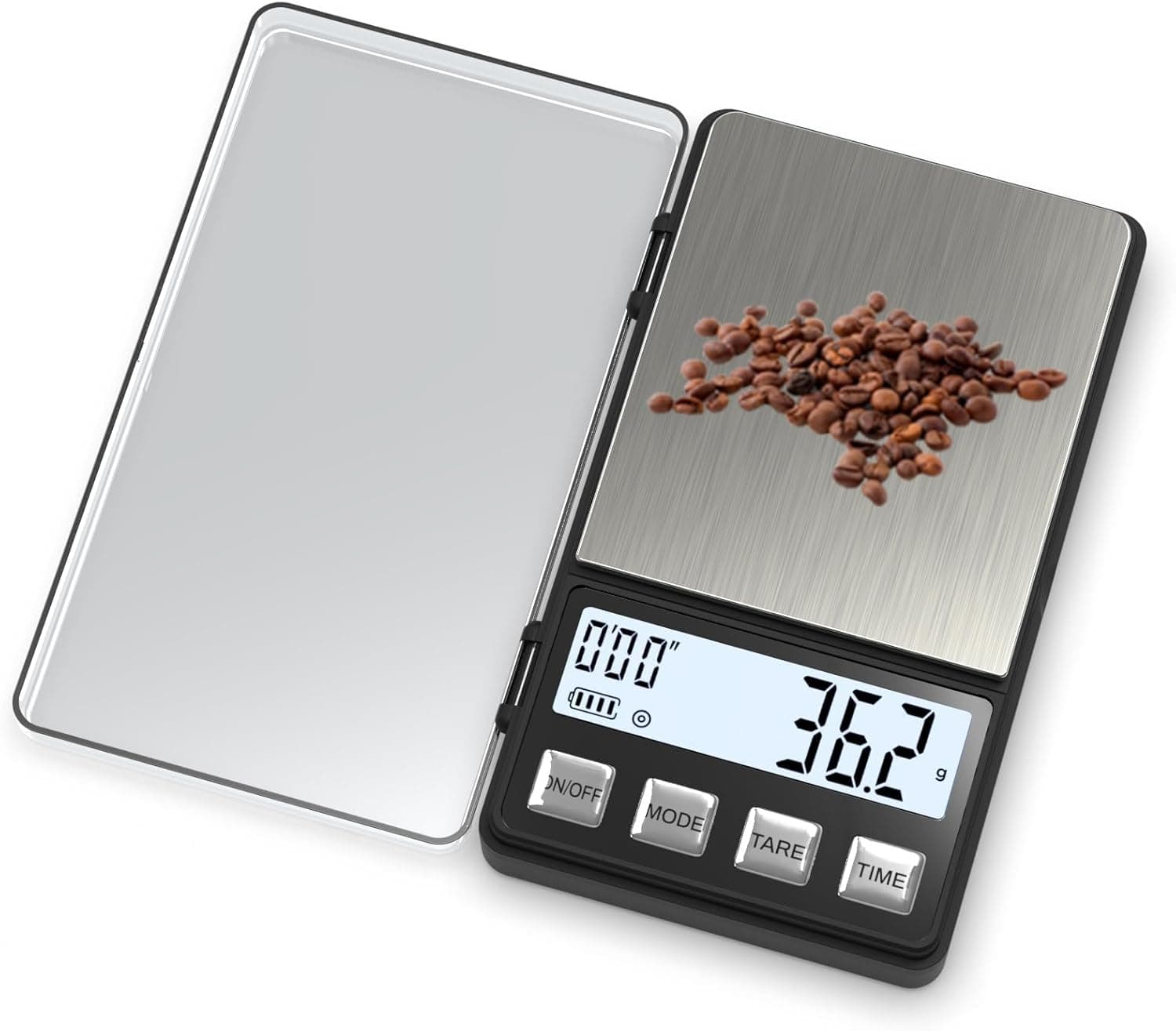
Dialing in espresso means adjusting your variables until the shot tastes balanced instead of sour or bitter. It sounds fussy, but the process is logical once you know which levers to pull. The four you control are dose (how much coffee you put in), grind size, yield (how much liquid comes out), and time. Change one at a time and taste as you go, and the guesswork mostly disappears.
Products from this article
The highest-scoring picks from the buying guides this article links to. Scores are our editorial assessment, not customer ratings.
+ Flow rate reading helps diagnose fast or slow extractions
From our guide: Best Espresso Scales
+ 64mm class flat burrs give fast, consistent grinding
From our guide: Best Single Dose Grinders
+ Automatic milk frother makes cappuccinos without manual steaming
From our guide: Best Super-Automatic Espresso Machines in 2026: Bean-to-Cup Picks
+ Nano size sits neatly under the portafilter on small machines
From our guide: Best Espresso Scales


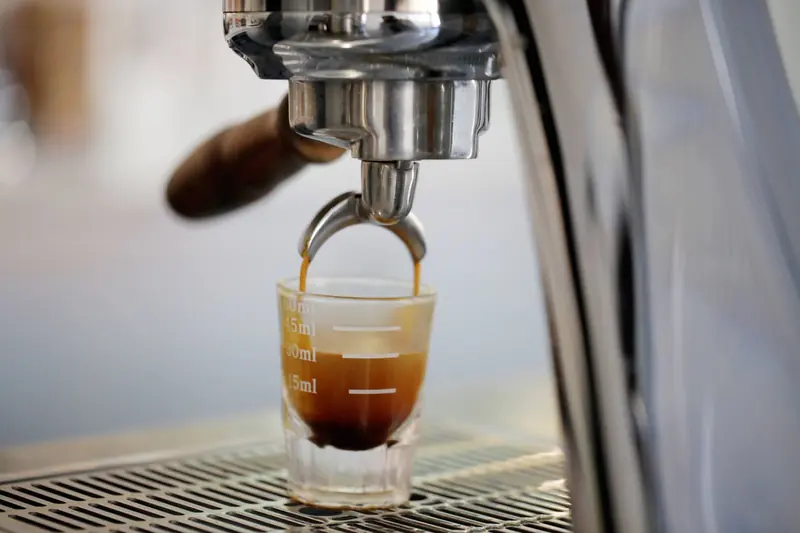
Start with a solid baseline. A common starting point for a double shot is around eighteen grams of coffee in, aiming for a yield of about thirty six grams out, in roughly twenty five to thirty seconds. This is a starting recipe, not a rule. Weigh your dose with a scale, weigh the liquid in the cup, and time from the moment you start the pump. Write these numbers down for each attempt so you can see what changed.
Grind size is your main flavor dial. If your shot runs too fast and tastes sour, thin, and sharp, the coffee is under extracted and you should grind finer to slow the flow. If it runs too slow and tastes harsh, dry, or bitter, it is over extracted and you should grind coarser. Move in small steps. Grinders are sensitive, and a tiny adjustment can swing your shot time by several seconds.
Consistency in preparation matters as much as the settings themselves. Distribute the grounds evenly in the basket, level the bed, and tamp straight down with steady pressure. Uneven or tilted tamping lets water channel through the path of least resistance, which produces a shot that tastes both sour and bitter at once no matter how you grind. If your results feel random, poor puck prep is usually the culprit.
Taste is the real judge, so learn to read the cup. Sour and sharp points toward under extraction, so grind finer or push the yield a little longer. Bitter and dry points toward over extraction, so grind coarser or pull a shorter yield. When the shot lands sweet with a pleasant finish and no puckering, you have found your window. Freshly roasted beans need a few days to settle, and every new bag will require a fresh dial in.
Keep a simple log as you go. Note the bean, the dose, the grind setting, the yield, the time, and one line about how it tasted. Over a few weeks this log becomes a personal map, letting you get close on the first shot of a new bag instead of wasting a dozen. Dialing in is a skill that rewards patience, and the payoff is a shot you made yourself that rivals anything from a cafe.
Popular right now
- Best Blind Shaker CupsBuying guide
- Best Coffee Distribution Tools in 2026: Even Puck Prep for Better ShotsBuying guide
- WDT explainedGlossary
- How to Stop Espresso ChannelingArticle
- Best Latte Art Pens in 2026: Etching Tools for Detailed DesignsBuying guide
- Small Space Coffee Bar KitCollection
Based on the last 28 days of search and visitor data.