How to Set Up a Home Coffee Bar
Published How we research
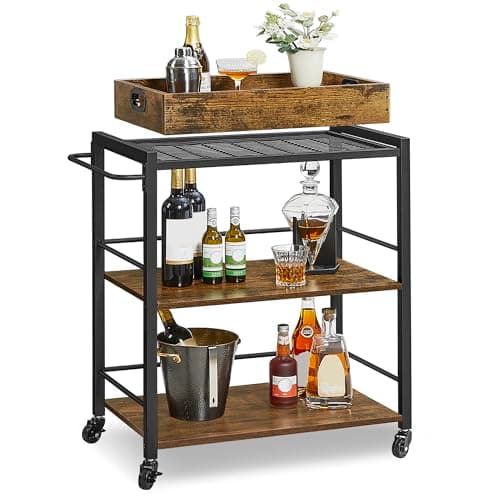
A good home coffee bar is less about looking like a cafe and more about making your morning routine faster and more enjoyable. Before you buy anything, think about the drinks you actually reach for. If you love straight espresso and flat whites, your setup revolves around a machine and a grinder. If you prefer a slow pour-over on weekends, your priorities shift toward a kettle and a scale. Matching gear to habit is the single best way to avoid clutter and wasted money.
Products from this article
The highest-scoring picks from the buying guides this article links to. Scores are our editorial assessment, not customer ratings.
+ Wire basket drawer stores pods, filters and snacks
From our guide: Best Coffee Bar Carts
+ 72 capacity stores several boxes of K Cups at once
From our guide: Best Coffee Station Organizers
+ Spiral ribs and large hole give control over flow and extraction
From our guide: Best Pour Over Coffee Makers
+ Two setups: mount the 4 casters, 2 of them with brakes, or use the adjustable feet as a fixed shelf
From our guide: Best Coffee Bar Carts


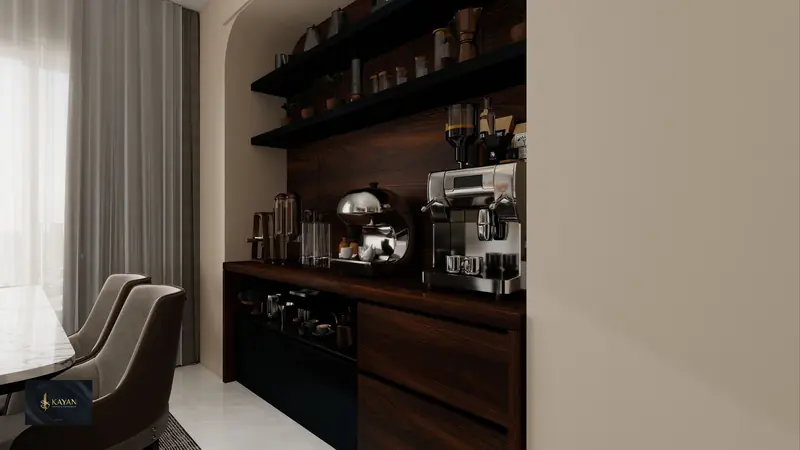
Start with the two pieces that matter most: a burr grinder and your brewer. Freshly ground coffee makes a bigger difference than almost any other upgrade, so if your budget is tight, put money into the grinder before a fancy machine. From there, add a gooseneck kettle if you do pour-over, a digital scale that reads to one tenth of a gram, and a decent set of cups. These basics cover espresso, drip, and manual methods without overcommitting.
Layout is where a home coffee bar succeeds or fails. Arrange your station in the order you use it: beans and grinder first, then brewer, then a spot for milk and cups, and finally a small landing zone for dirty tools. Keeping this left to right flow means you are not crossing your own path or hunting for the tamper mid-shot. A tray under the machine catches drips and makes the whole area easy to wipe down.
Storage deserves real thought. Keep beans in an opaque, airtight container away from the heat of the machine, and buy amounts you can finish within two or three weeks. Store backup filters, cleaning tablets, and spare portafilter baskets in a drawer or bin nearby so restocking is painless. A small crock for spoons and a magnetic strip or hook rail for frothing pitchers keeps counters clear.
Water is the quiet ingredient most beginners overlook. Coffee is roughly ninety eight percent water, so very hard tap water or heavily softened water can dull flavor and scale up your machine. A simple filter pitcher or a jug of low mineral bottled water is usually enough to notice cleaner, sweeter cups. If your machine has a reservoir, filtered water also stretches the time between descaling.
Finally, build a cleanup habit into the station from day one. Keep a damp microfiber cloth, a knock box for spent grounds, and a spot for your group brush within arm's reach. A bar that is easy to clean is a bar you will keep using. Once the fundamentals are in place, you can add small luxuries over time: a nicer tamper, a milk thermometer, a shelf for your favorite mugs. Start simple, dial in your routine, and let the setup grow with your taste.
Popular right now
- Best Blind Shaker CupsBuying guide
- Best Coffee Distribution Tools in 2026: Even Puck Prep for Better ShotsBuying guide
- WDT explainedGlossary
- How to Stop Espresso ChannelingArticle
- Best Latte Art Pens in 2026: Etching Tools for Detailed DesignsBuying guide
- Small Space Coffee Bar KitCollection
Based on the last 28 days of search and visitor data.