How to Store Coffee Beans
As an Amazon Associate I earn from qualifying purchases.
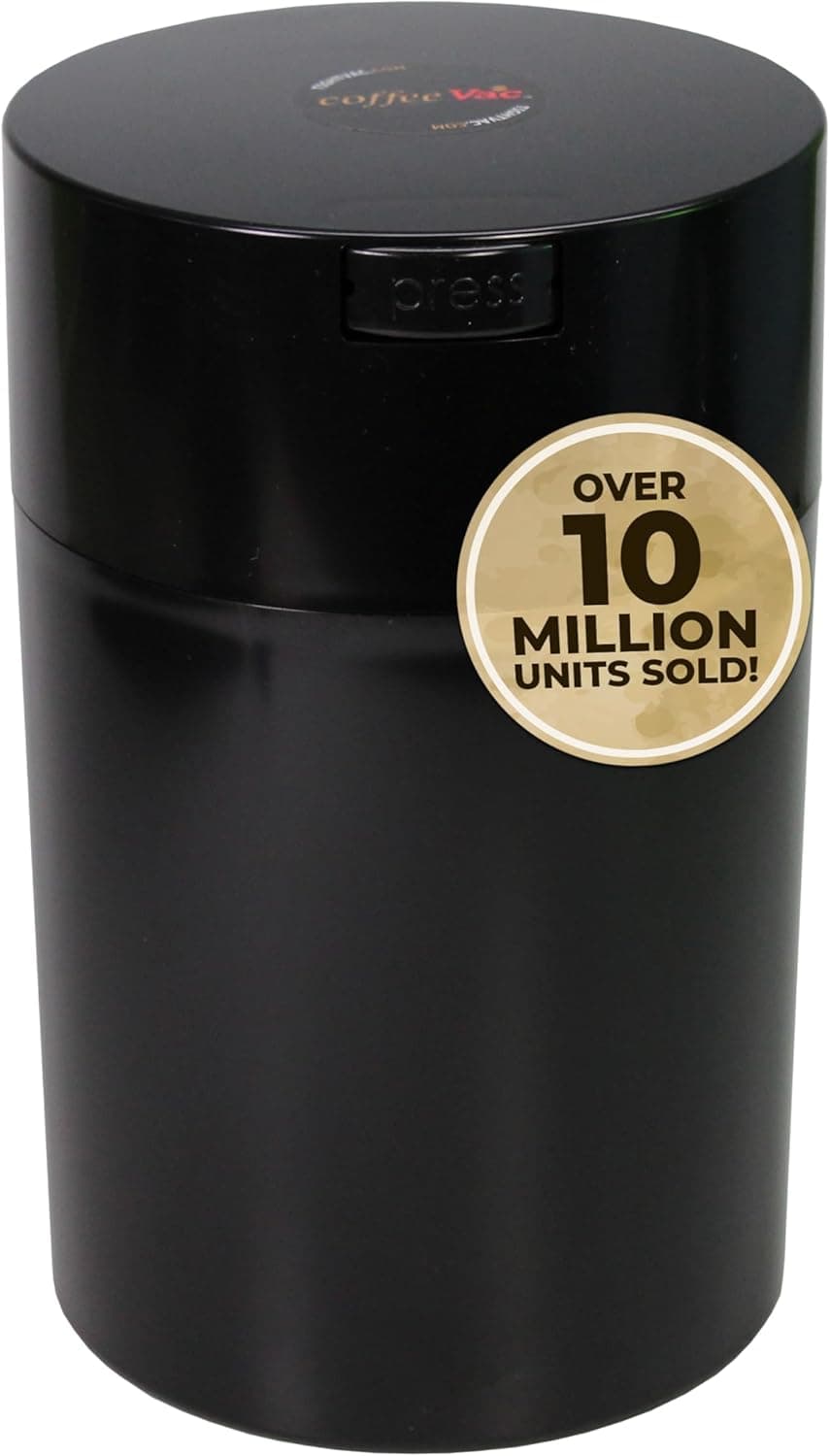
Coffee is at its best soon after roasting, and how you store your beans decides how long that peak lasts. Even excellent beans go flat and dull if stored carelessly, wasting the money you spent on good coffee. Fortunately, keeping beans fresh is simple once you understand what damages them and set up a proper container. A few small habits protect flavor for weeks.
Freshness has four main enemies: air, moisture, heat, and light. Oxygen slowly stales the beans through oxidation, moisture degrades them and can invite mold, heat speeds up the loss of the volatile aromatic oils that carry flavor, and light, especially sunlight, accelerates the whole decline. Good storage is really just a matter of blocking all four. Keep beans sealed, dry, cool, and dark, and you have solved most of the problem.
The container matters. An airtight, opaque canister is ideal because it blocks both air and light at once. Those clear glass jars look attractive on a counter but let light through, so if you use one, keep it in a cupboard. Many coffee lovers like canisters with a one way valve that lets the carbon dioxide from fresh beans escape without letting oxygen in. Whatever you choose, seal it fully after every scoop rather than leaving it cracked open.
Location is just as important as the container. Store your beans in a cool, dark, dry spot like a pantry or a cupboard, and specifically away from heat sources. A very common mistake is keeping beans right next to the coffee machine, oven, or on a sunny windowsill, where warmth and light quietly cook the flavor out of them. A shaded shelf away from appliances is far better than a convenient but warm counter.
The refrigerator and freezer question comes up often. Skip the fridge, because it is humid and beans can absorb odors from nearby food while temperature swings invite condensation. The freezer is more nuanced. Freezing beans you will not use soon, sealed airtight in small portions, can preserve them well for longer term storage. The key rule is to avoid repeated freezing and thawing, so freeze in single use amounts and do not refreeze what you take out.
Finally, be realistic about timing and quantity. Whole beans hold their flavor much longer than pre ground coffee, which stales within days, so grind only what you need right before brewing. For the freshest cup, buy beans in amounts you can finish within about two to three weeks of the roast date, and check the bag for that date rather than a distant expiration. Store them well, grind them fresh, and even a modest bag of coffee will taste noticeably better in the cup.