How to Use a Coffee Machine: A First Brew Walkthrough
Published How we research
To use a drip coffee machine, fill the reservoir with cold water, place a paper or reusable filter in the basket, add ground coffee at about 2 tablespoons per 6 ounces of water, close the lid, and press the brew button. After a few minutes the carafe is full and the machine stops or switches to keep warm. The details below cover the first run, how to measure properly, what to adjust for stronger or milder coffee, and how to clean the machine afterward.
Products from this article
The highest-scoring picks from the buying guides this article links to. Scores are our editorial assessment, not customer ratings.
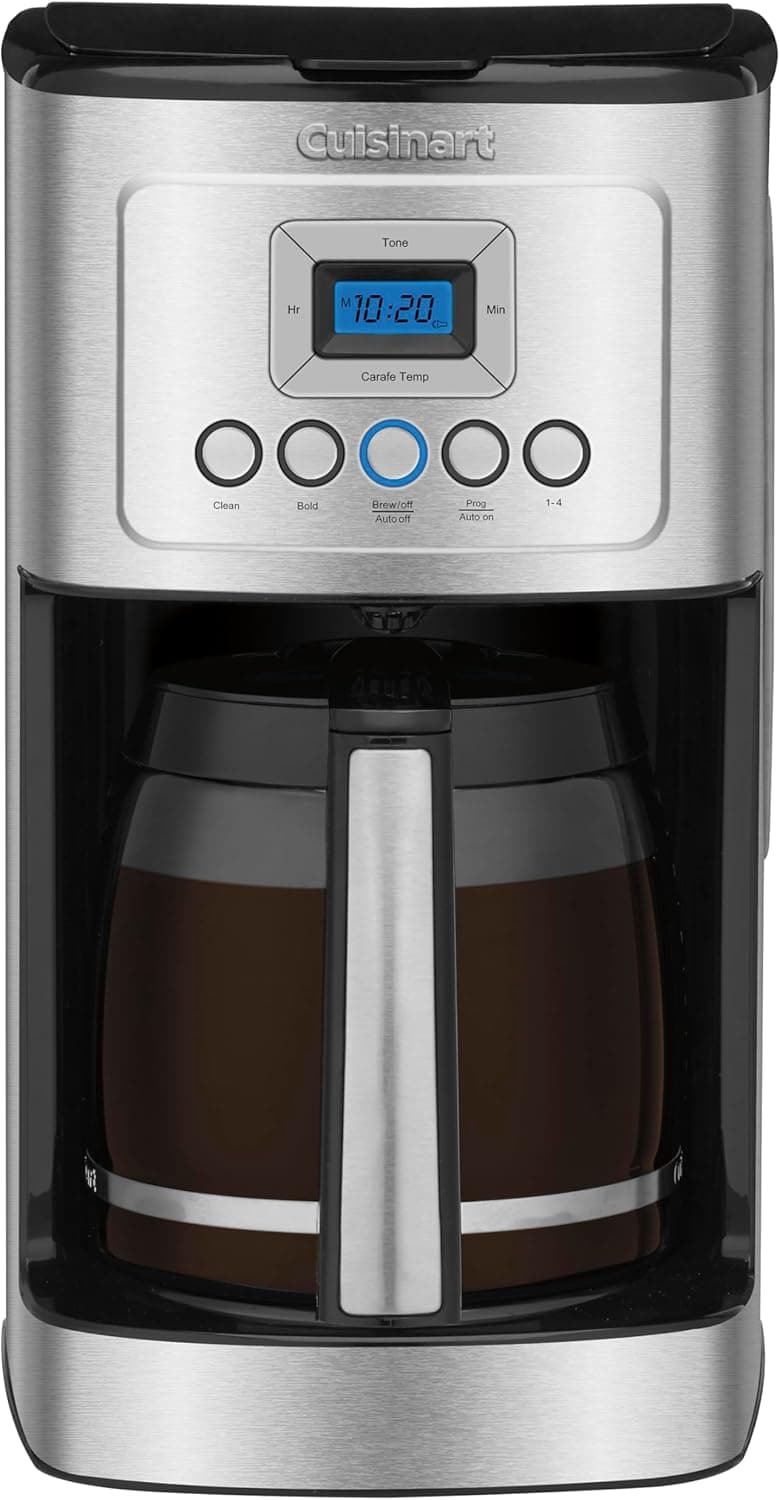
+ 14-cup carafe covers large households and office mornings
From our guide: Best Drip Coffee Makers
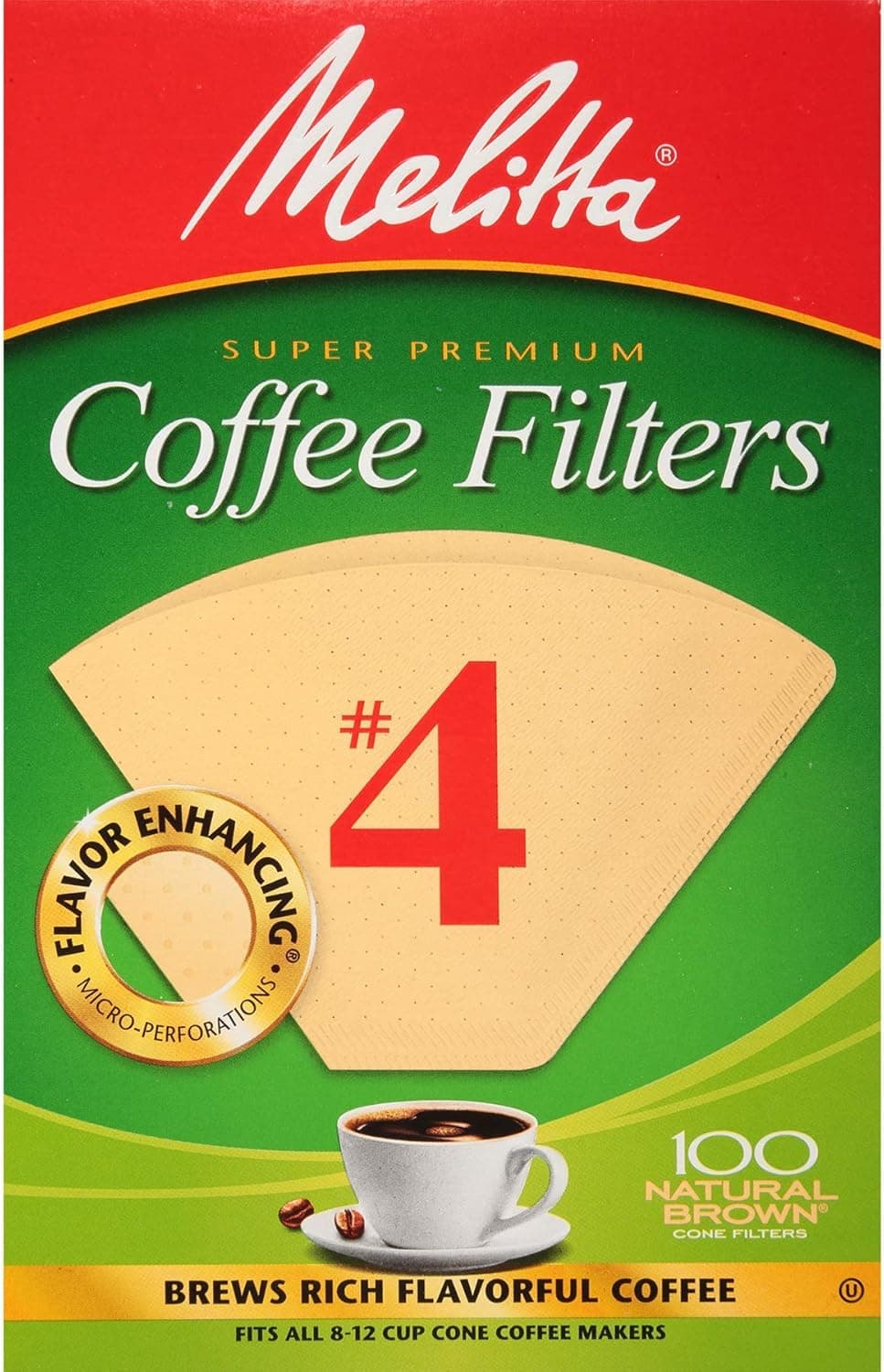
+ 100 count box covers several months of daily brewing
From our guide: Best Coffee Filters
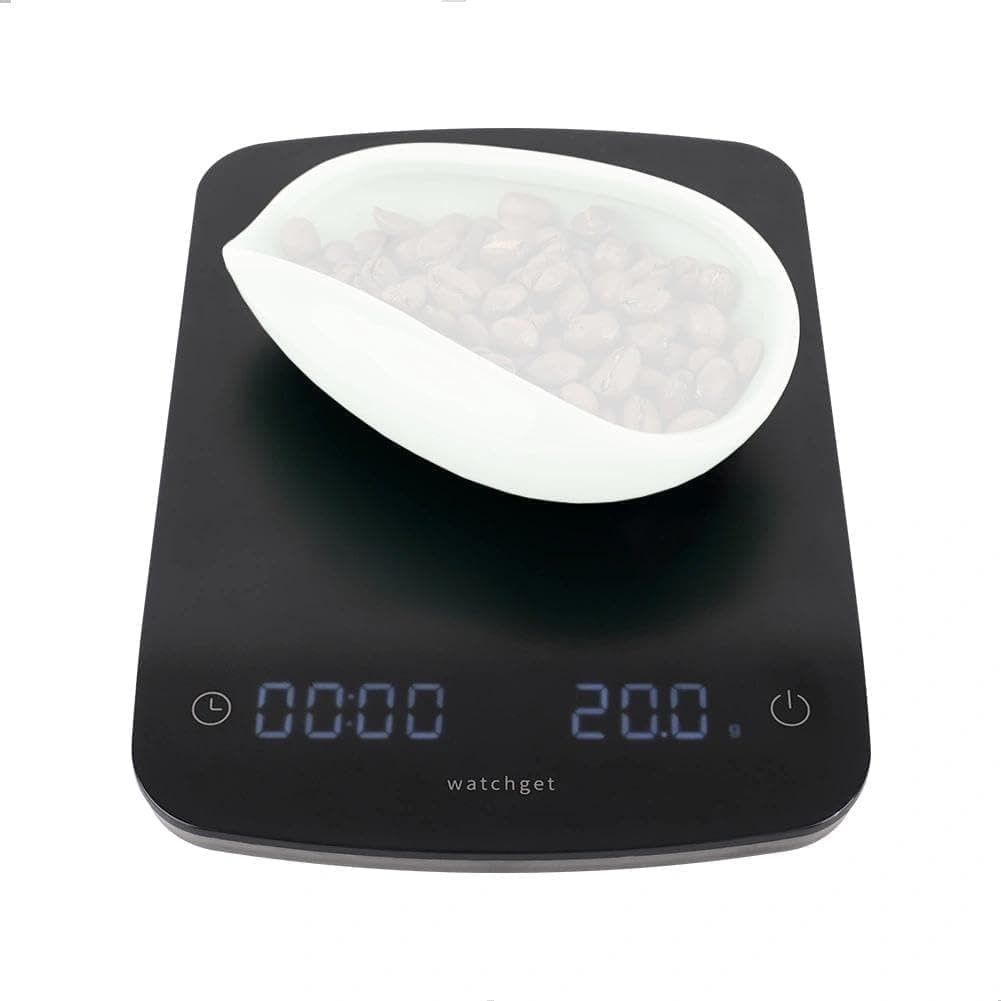
+ 2200g capacity handles a full carafe plus dripper and water
From our guide: Best Coffee Scales
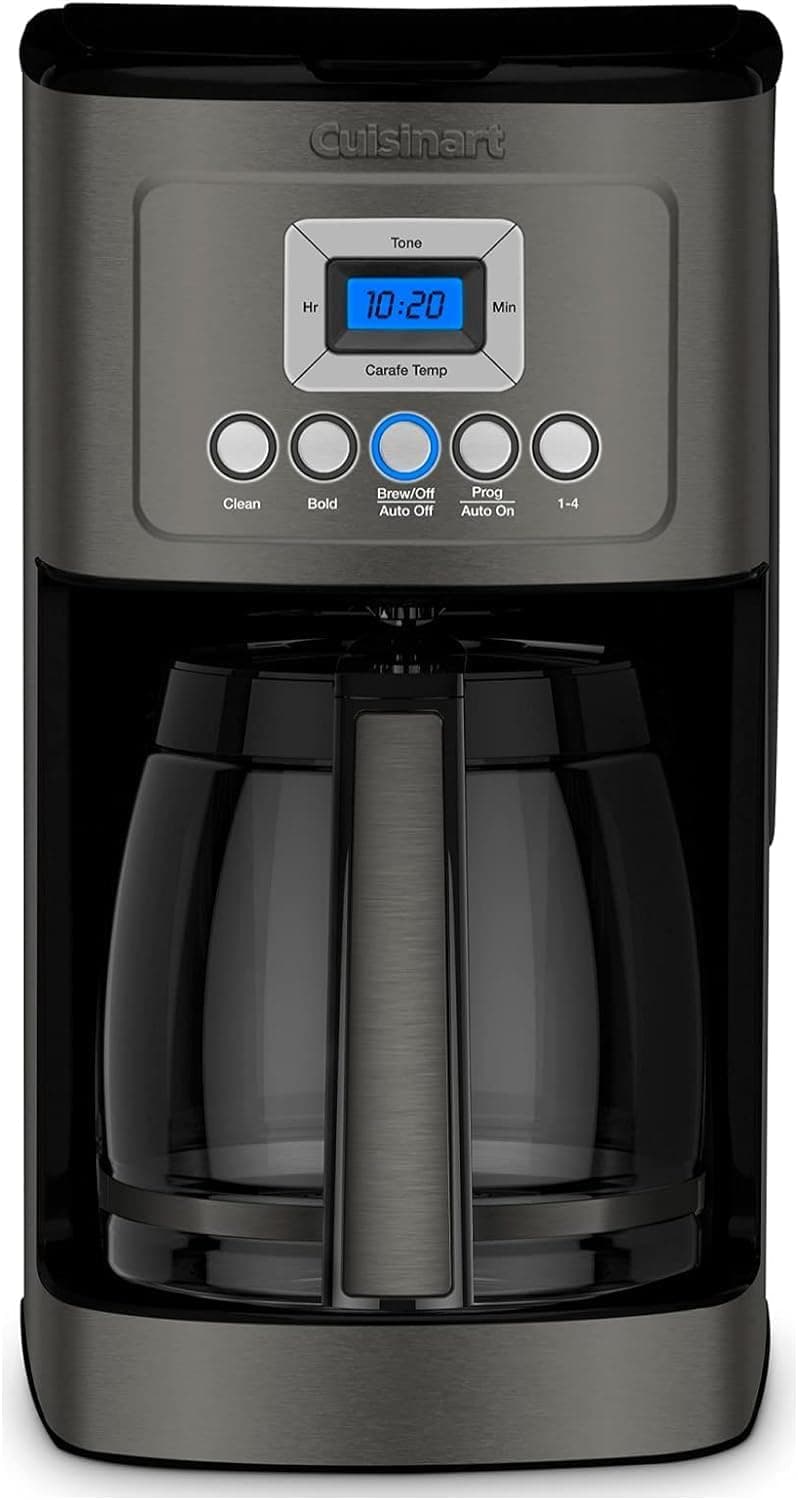
+ Black and stainless finish matches most modern appliances
From our guide: Best Drip Coffee Makers
Before the first brew
Unpack the carafe, lid, filter basket and any removable parts and wash them in warm soapy water. Then run one full cycle with water only and no coffee. This rinses out manufacturing dust and heats the lines, so your first pot does not taste of plastic.
Place the machine on a level, dry counter near an outlet, with a little clearance above it, since the lid opens upward and steam rises when brewing. Most modern machines show a clock; set it if you plan to use the auto brew timer later.
Measure water and coffee
A drip machine's cup markings count a cup as about 5 or 6 ounces, not the 8 ounces of a measuring cup, so a 12 cup machine makes about 60 to 72 ounces. Fill the reservoir to the line that matches the amount you want to drink, using cold fresh water.
A common starting ratio is 2 level tablespoons of ground coffee per 6 ounces of water. That is close to 1 part coffee to 16 or 17 parts water by weight, and it is a good middle setting. For a stronger pot use closer to 1 to 15, for a milder one 1 to 17 or 18. Our coffee to water ratio chart lists the numbers by method. A small scale makes the pot repeatable from day to day, though a level scoop works fine to begin with.
Choose the filter and the grind
Most machines use either a flat bottom basket or a cone shaped one, and the paper filter has to match the shape. Fit it flat in the basket, with no folds that let grounds slip past. A reusable mesh filter works too; it gives a heavier body and a little silt, and you rinse it after each pot. Our guides to coffee filters and reusable filters compare both types.
Use a medium grind, about the texture of sand or table salt for flat bottom baskets and slightly finer for cone baskets. Too fine a grind slows the water, can overflow the basket and tastes bitter. Too coarse lets water pass quickly and the cup tastes thin and sour. Pre ground coffee labeled for drip is already set up for this; grinding whole beans just before brewing gives better flavor.
Brew and serve
Add the grounds, level them gently, close the lid and swing the basket back into place. Place the carafe on the warming plate with its lid on, because many machines will not drip properly otherwise, and press the brew button. A full pot takes about 5 to 10 minutes depending on size.
When the dripping stops, wait a short moment for the last drops, then pour. Serve soon: coffee left on a hot plate for an hour or more turns bitter and burnt tasting. If you will not finish the pot, move the coffee to a thermal carafe or an insulated bottle instead of leaving it on the heater. Stir the pot once before pouring, as the first coffee out is stronger than the last.
Clean up and maintain
After each pot, throw out the filter and grounds, rinse the basket and carafe, and leave the lid open so the reservoir dries. Wash the carafe and basket with soap weekly. Coffee oils build up on glass and plastic and add a stale bitter note to new pots.
About every 1 to 3 months, depending on how hard your water is, descale the machine with a descaling solution or a vinegar and water mix and then run several cycles of fresh water to rinse. Signs you are overdue include slower brewing, louder gurgling and a cooler cup. Our descaling guide covers solutions that suit most drip machines.
Common mistakes to avoid
Reusing old grounds is the first one: a second pass through spent grounds gives a weak, bitter cup, so start every pot with fresh coffee. Another is overfilling the basket, which lets water run over the rim instead of through the bed of grounds, and leaves a mess on the counter and the warming plate.
Stale beans and old pre ground coffee are the next. Coffee loses aroma within weeks of opening, so keep it in an airtight container away from heat and light, and buy amounts you will use in two to four weeks. Finally, do not skip the clean up. A pot that tastes off is more often a dirty carafe or a scaled machine than a bad bag of coffee, and a quick weekly wash fixes most of it.
Frequently asked questions
How much coffee do I put in a coffee machine? Start with 2 level tablespoons of grounds per 6 ounces of water, then adjust a half tablespoon either way until the pot suits your taste.
Should I use hot or cold water in the reservoir? Use cold, fresh water. The machine heats it to the right range, and hot tap water can pick up flavors from your pipes.
Why does my coffee machine make weak or bitter coffee? Weak coffee usually means too little coffee or a coarse grind. Bitter coffee usually means too fine a grind, too much coffee, a dirty machine, or a pot left on the hot plate too long.
Do I need to wet the filter first? Not required. Rinsing a paper filter with hot water removes some papery taste and warms the basket, which some people like, but the brew works without it.
Popular right now
- Best Blind Shaker CupsBuying guide
- Best Coffee Distribution Tools in 2026: Even Puck Prep for Better ShotsBuying guide
- WDT explainedGlossary
- How to Stop Espresso ChannelingArticle
- Best Latte Art Pens in 2026: Etching Tools for Detailed DesignsBuying guide
- Small Space Coffee Bar KitCollection
Based on the last 28 days of search and visitor data.