Water Quality for Coffee
As an Amazon Associate I earn from qualifying purchases.
Coffee is almost entirely water, so the water you brew with has an enormous influence on how your cup tastes. Even the best beans and a perfect technique can be undermined by water that is too hard, too soft, or full of chlorine. Understanding a few basics about water chemistry helps you brew better coffee and protects your equipment at the same time.
The two properties that matter most are general hardness and alkalinity. General hardness refers to dissolved minerals like magnesium and calcium, which help pull flavor compounds out of the grounds during extraction. Alkalinity is the water's ability to neutralize acids, which buffers the bright, fruity notes in coffee. Water with almost no minerals tends to taste flat and hollow, while water that is very hard or very alkaline can mute acidity and leave the cup dull.
Most tap water also contains chlorine or chloramine, added to keep it safe to drink but harmful to coffee flavor. A simple activated carbon filter, like the kind in a common water pitcher, removes most of that chlorine and improves taste immediately. If your tap water is drinkable and not extremely hard, a carbon filter is often the single most cost-effective upgrade you can make to your coffee routine.
For those who want more control, you can start from distilled or reverse-osmosis water and add minerals back with commercial remineralization packets or a homemade concentrate. This approach gives a repeatable, known starting point that does not change with the seasons the way tap water can. It takes a little effort, but it removes one of the biggest hidden variables in your brewing and is popular with people chasing consistency.
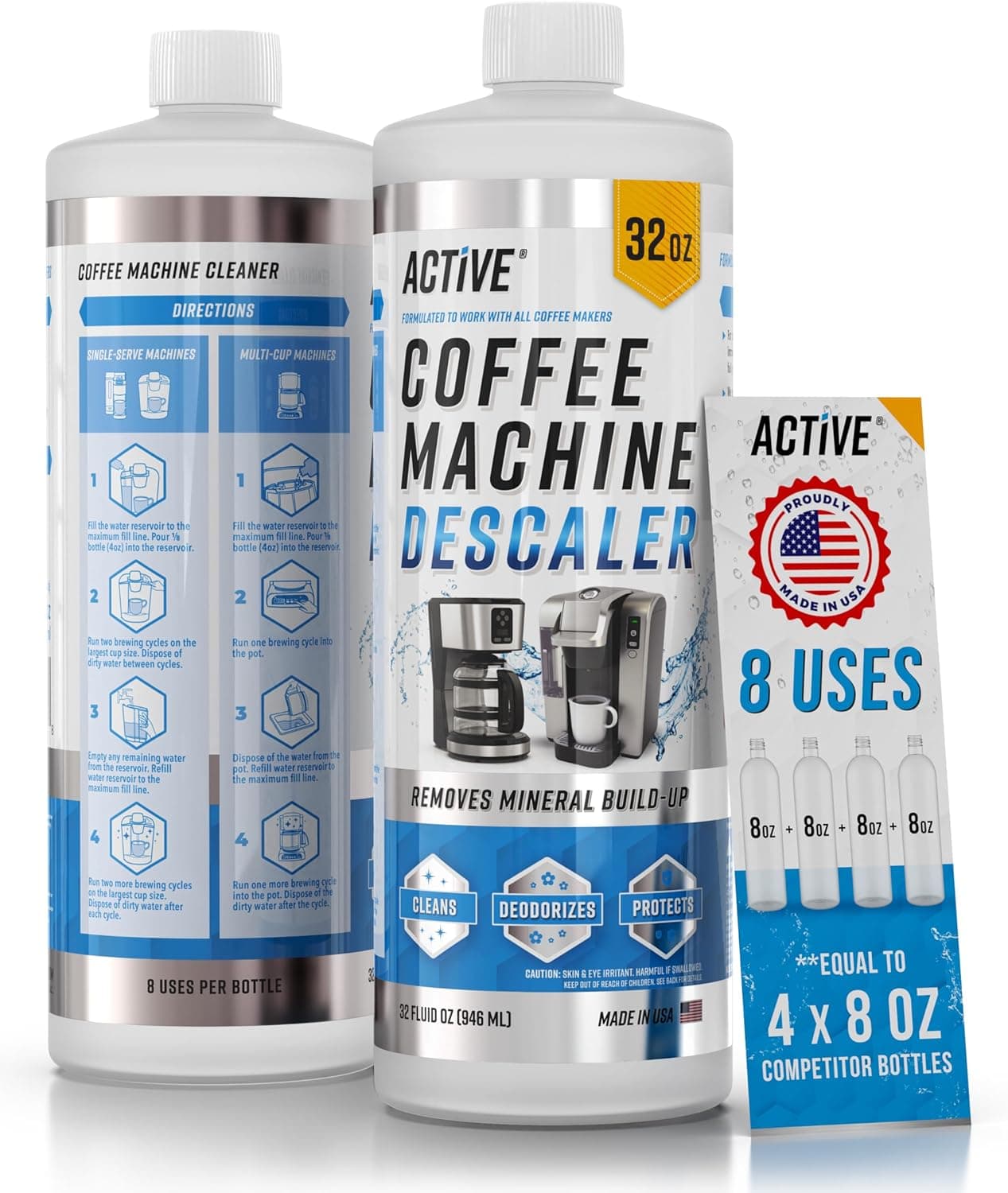
Water also affects the lifespan of your equipment, especially espresso machines with internal boilers. Hard water leaves scale, a chalky mineral deposit that builds up on heating elements and inside pipes, reducing efficiency and eventually causing failures. Very soft or aggressive water can corrode metal components instead. Aiming for a moderate mineral level protects your machine and reduces how often you need to descale.
You do not need a laboratory to get started. Inexpensive test strips or a simple hardness kit will tell you roughly where your water sits, and from there you can decide whether filtering, blending, or building water from scratch makes sense. Match the effort to your goals: casual drinkers can stop at a carbon filter, while enthusiasts may enjoy the precision of custom water. Either way, treating water as an ingredient rather than an afterthought will noticeably improve your coffee.