Espresso Troubleshooting Guide
As an Amazon Associate I earn from qualifying purchases.
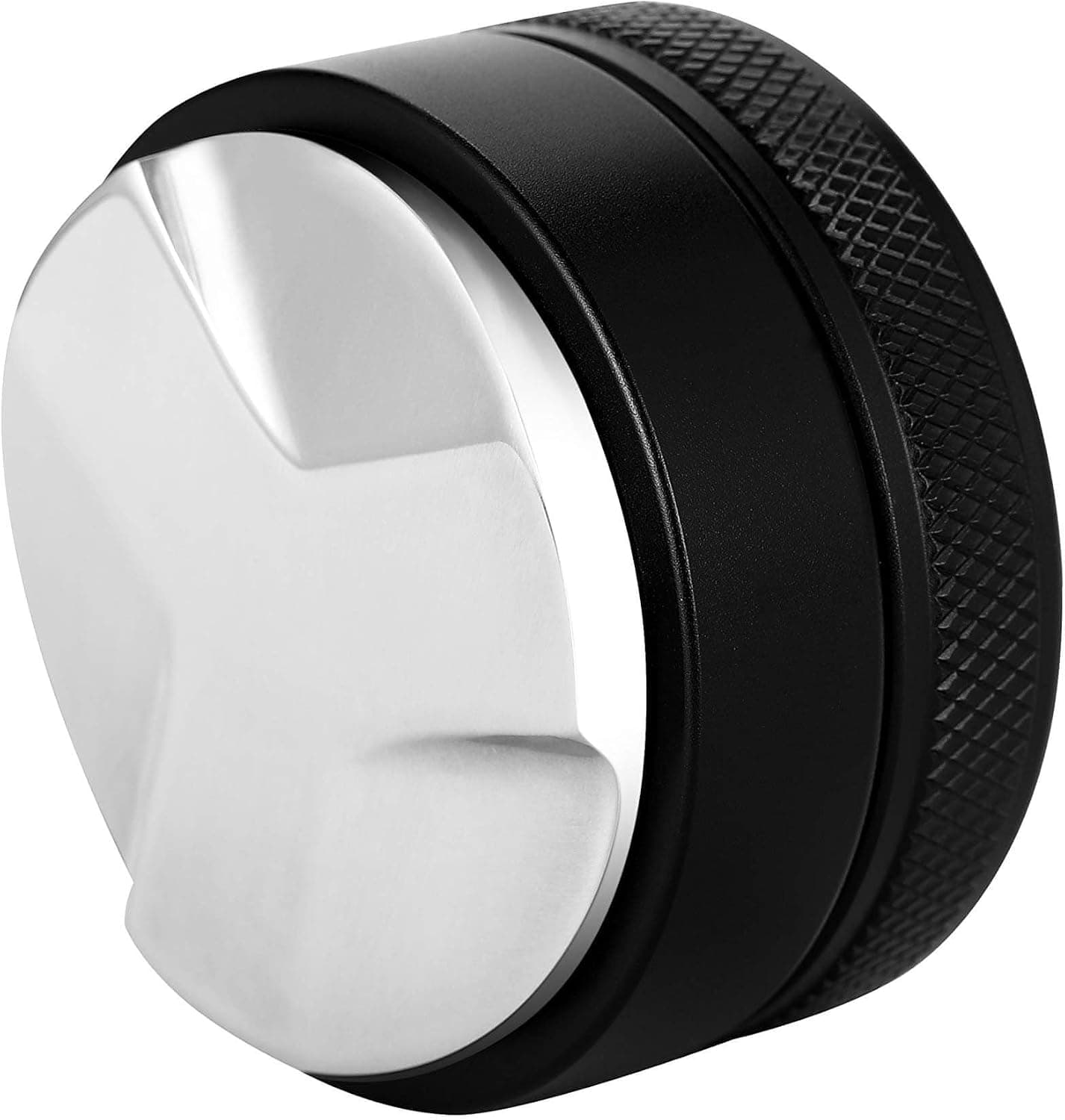
Even with good equipment, espresso can go wrong in ways that are frustrating until you learn to read the signs. The encouraging news is that most problems trace back to a small number of causes, and once you can diagnose them, the fixes are straightforward. This guide walks through the most common espresso faults and how to correct them using grind, dose, distribution, and technique.
Start with shots that pour too fast, gushing out pale and watery in well under the expected time. A fast shot is usually under-extracted, meaning water rushed through the puck without dissolving enough flavor, and it tends to taste sour and thin. The primary fix is to grind finer so the puck offers more resistance, and you can also check that your dose is high enough to fill the basket properly. Small grind adjustments make a big difference here.
The opposite problem is a shot that drips slowly, choking the machine and producing a dark, bitter trickle. This is often over-extraction from a grind that is too fine, sometimes combined with too large a dose packing the basket too tightly. Grind coarser to let water move more freely, and confirm your dose suits your basket size. If the shot both chokes and tastes harsh, coarsening the grind usually addresses both at once.
Taste can be off even when the timing looks right, and here you have to separate sour from bitter. A sour, sharp, or salty shot generally points to under-extraction, so grind finer or raise the temperature slightly if your machine allows. A bitter, dry, or ashy shot points to over-extraction, so grind coarser or lower the temperature. Because sourness and bitterness pull in opposite directions, tasting carefully before you adjust saves you from chasing the problem the wrong way.
Channeling is a sneaky fault where water blasts through one weak spot in the puck instead of flowing evenly, giving you a shot that is sour and bitter at the same time along with visible squirting or blonde streaks. The cause is almost always uneven preparation: clumpy grounds, an uneven bed, or a crooked tamp. Fix it upstream by distributing the grounds evenly, breaking up clumps, and tamping level with consistent pressure. Good puck prep prevents more bad shots than any single setting.
When you troubleshoot, change one variable at a time and keep notes, because altering grind, dose, and temperature all at once makes it impossible to know what helped. Weigh your dose and yield so you are comparing like with like, and remember that fresh beans and a clean machine remove hidden variables that can masquerade as technique problems. With a systematic approach and a little patience, you will move from random results to shots you can diagnose and repeat with confidence.