How to Use a Moka Pot
As an Amazon Associate I earn from qualifying purchases.
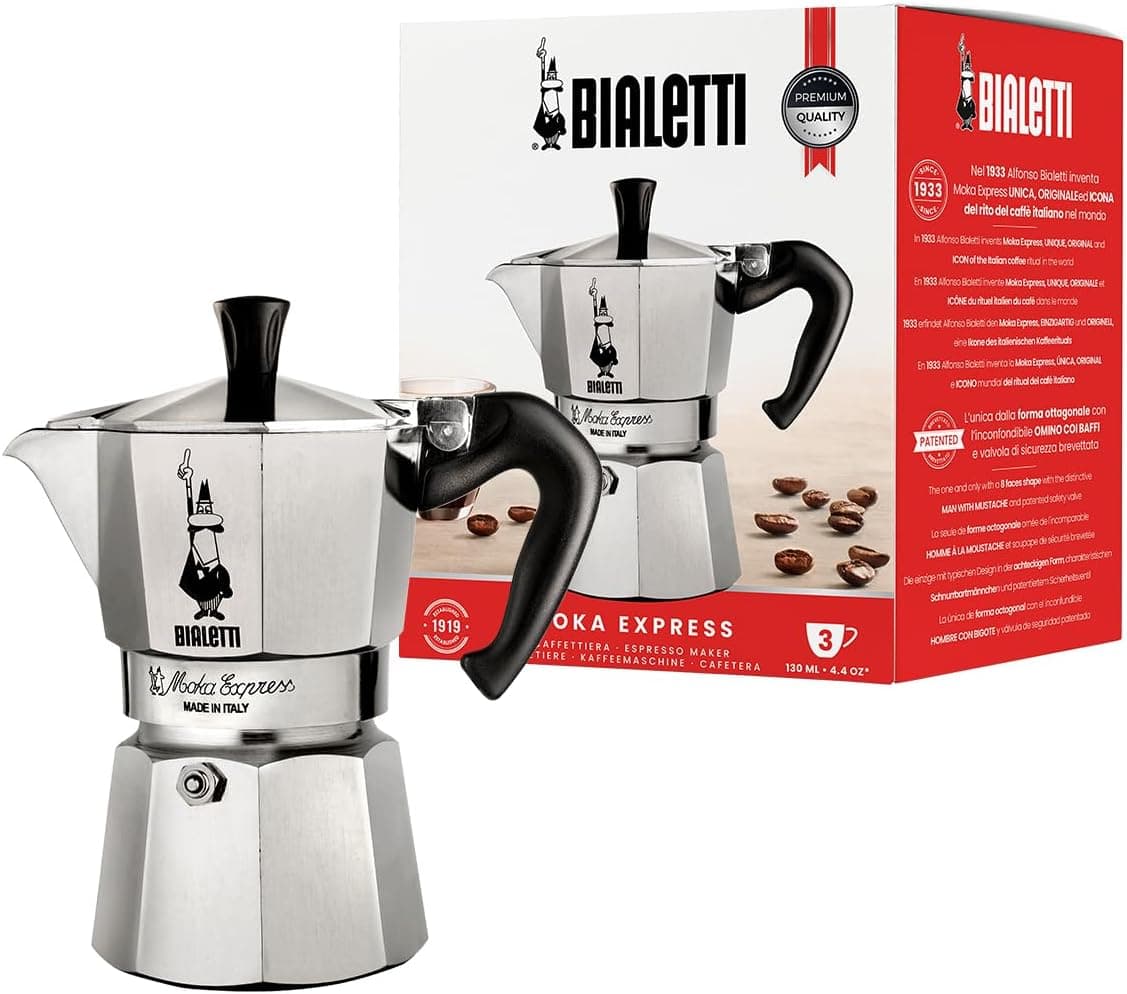
The moka pot has been sitting on stovetops for generations, and for good reason. It gives you a rich, concentrated cup that lands somewhere between drip coffee and true espresso, all without electricity or expensive gear. If you have ever ended up with a bitter, metallic brew, the fix is almost always technique rather than the pot itself. Once you dial in a few habits, a moka pot becomes one of the most reliable ways to make strong coffee at home.
Start by boiling your water before it ever touches the pot. This is the single change that transforms most people's results. Fill the bottom chamber with hot water up to just below the safety valve, then add your ground coffee to the filter basket. Using pre-heated water means the coffee spends less time sitting over direct heat, which is exactly what causes that scorched, harsh taste. Because the base is hot, handle it with a towel when you screw the two halves together.
Grind size matters more than most beginners expect. You want something a little coarser than espresso but finer than drip, roughly the texture of table salt. Fill the basket level and do not tamp it down. Packing the grounds too tightly creates pressure that the moka pot was never designed to handle, and it can lead to sputtering or a stalled brew. A gentle tap to settle the grounds is all you need before leveling off the top.
Heat control is where patience pays off. Set your burner to medium or medium-low, never full blast. Leave the lid open so you can watch what happens. After a minute or two you will see coffee begin to rise into the top chamber in a slow, steady stream with a honey-like color. That gentle flow is the goal. If it erupts violently or hisses loudly, your heat is too high and you should lower it right away.
The moment to act comes when the stream turns pale, blond, and starts to sputter. That gurgling sound means the water is nearly spent and the coffee coming through now will taste thin and bitter. Pull the pot off the heat immediately. Many home baristas run the base under cool tap water for a few seconds to halt extraction completely, which protects those last drops from over-brewing in the residual heat.
Cleaning is refreshingly simple, and it is best to skip the soap. Rinse all three parts with warm water and let them air dry fully before storing. Soap can leave residue that dulls the flavor of your next brew, and many longtime users believe a lightly seasoned aluminum pot makes better coffee over time. Do check the rubber gasket and filter plate every few weeks, replacing the gasket when it starts to feel stiff or cracked.
Once you are comfortable, treat the moka pot as a starting point. Try a slightly finer grind, a different bean, or a splash of hot milk for a homemade version of a cortado. It rewards small experiments, and it will keep making you excellent coffee for years with almost no maintenance.